
2226 results with digital objects
Show results with digital objects
RSA/AD/MA/100/19/02
·
Stuk
·
1970-1990
Part of Royal Society for the encouragement of Arts, Manufactures and Commerce (RSA)
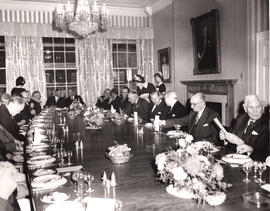
RSA/AD/MA/100/19/03
·
Stuk
·
11/11/1958
Part of Royal Society for the encouragement of Arts, Manufactures and Commerce (RSA)
This room was the research room and is now the Romney Room.
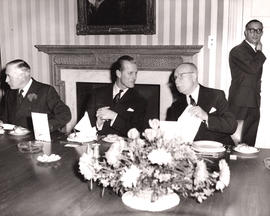
RSA/AD/MA/100/19/04
·
Stuk
·
11/11/1958
Part of Royal Society for the encouragement of Arts, Manufactures and Commerce (RSA)
RSA/AD/MA/100/19/05
·
Stuk
·
1950-1960
Part of Royal Society for the encouragement of Arts, Manufactures and Commerce (RSA)
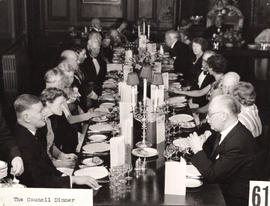
RSA/AD/MA/100/19/06
·
Stuk
·
1950-1960
Part of Royal Society for the encouragement of Arts, Manufactures and Commerce (RSA)
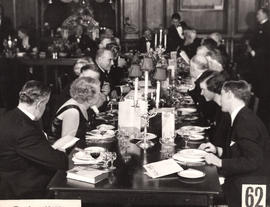
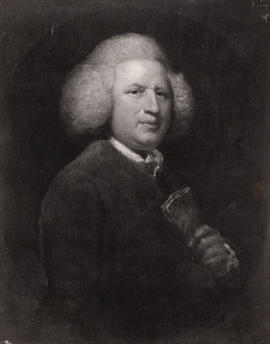
RSA/AD/MA/100/19/07
·
Stuk
Part of Royal Society for the encouragement of Arts, Manufactures and Commerce (RSA)
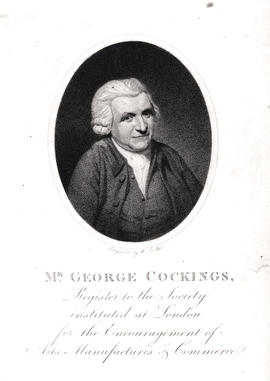
From an engraving by William Evans.
Mr Cockings was appointed to the Society as a porter in 1765 and was considered a loyal and respected servant. He became the Society's fourth Register in 1779.
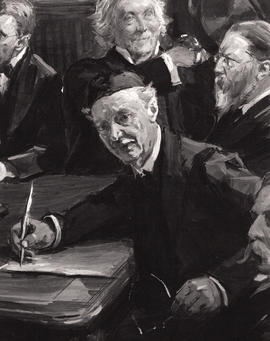
RSA/AD/MA/100/19/08
·
Stuk
·
1889
Part of Royal Society for the encouragement of Arts, Manufactures and Commerce (RSA)
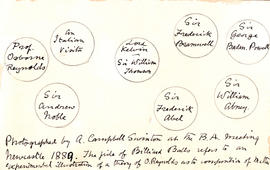
Taken at the B.A. meeting in Newcastle.
RSA/AD/MA/101
·
SubSubSub Fonds
·
1950-
Part of Royal Society for the encouragement of Arts, Manufactures and Commerce (RSA)
The Secretary was the administrative head of the Society. The first was William Shipley and other secretaries included Peter Templeman, Samuel More, Charles Taylor, John Scott Russell, Peter Le Neve Foster, Sir Henry Trueman Wood, Kenneth Luckhurst, George Mercer and Christopher Lucas. The title was changed to Director in 1994; in 2003 the title was changed to Executive Director and in 2006 to Chief Executive.
Series includes general correspondence and papers from the 1950s to 1990s; earlier material can be found with AD.MA/100
RSA/AD/MA/101/10
·
Reeks
·
1959-1994
Part of Royal Society for the encouragement of Arts, Manufactures and Commerce (RSA)
RSA/AD/MA/101/12
·
Reeks
Part of Royal Society for the encouragement of Arts, Manufactures and Commerce (RSA)
The minutes, agendas and supporting papers are largely records of decisions taken on general policy and administration.
The Management Group are responsible for the internal administration of the RSA. The Director is the link between Trustees and Council and the Management Group. These files sometimes include minutes from the Section Heads Group meeting.
RSA/AD/MA/101/12/01
·
Deelreeks
·
1993-
Part of Royal Society for the encouragement of Arts, Manufactures and Commerce (RSA)
The Management Group was responsible for the day to day management of the Society. It met fortnightly, and was chaired by the Director of the RSA
RSA/AD/MA/101/12/02
·
Deelreeks
·
1991 -
Part of Royal Society for the encouragement of Arts, Manufactures and Commerce (RSA)
This formed out of the Finance and General Purposes Committee, after a recommendation delivered by Michael Fry to Council in September 1991. Its main function was to be the key operational committee through which all plans,projects, key events and their respective budgets passed, before being forwarded on to Council as recommendations. They then saw to the execution of the approved plans, monitored them and kept Council appropriately advised. This was first chaired by the Chairman of the Council and was the link between Council and the Management Group.